Perspectives on the different vertebrae and focus on the gullet : the importance of the overall shape of the tree
The horse, that majestic animal, has a complex anatomy—particularly its spine. Riders and saddle-making professionals must be familiar with the different shapes of the vertebrae and the importance of the withers. These factors are essential to ensuring the animal’s well-being. The shape of the pommel that will form the basis of the saddle is also very important. We hope this article provides you with a comprehensive overview of the factors to consider, whether you are a rider or a saddle-making professional.
The Anatomy of the Horse's Spine
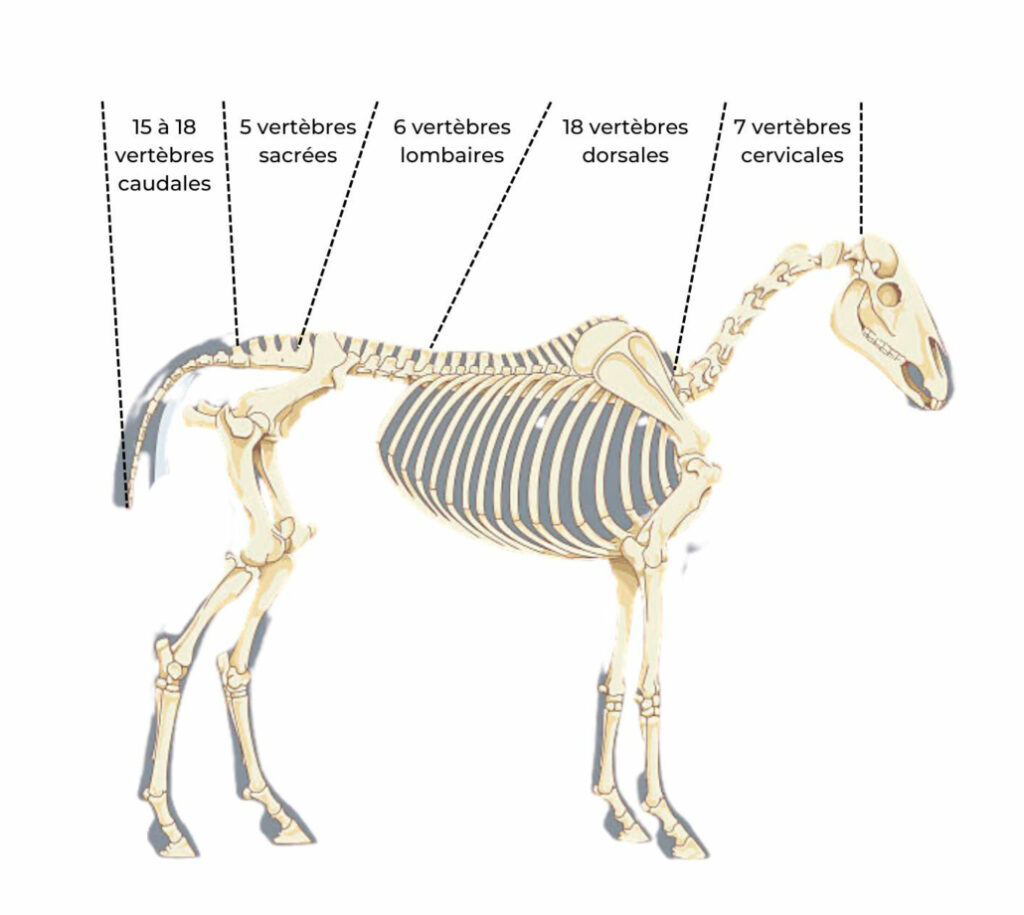
The horse's spine is made up of several distinct segments:
- The cervical vertebrae: There are seven of them, and together they form the neck; as a result, they are highly mobile
- Typically, there are 18 thoracic vertebrae with prominent spinous processes, especially between the 3rd and 6th vertebrae.
- the six lumbar vertebrae, which have broad, flattened transverse processes.
- The five sacral vertebrae that make up the sacrum are fused together.
- The 15 to 25 coccygeal vertebrae that make up a horse's tail.
This complex structure supports the horse's body, but also plays a role in its posture and movement.
The withers: structure and function
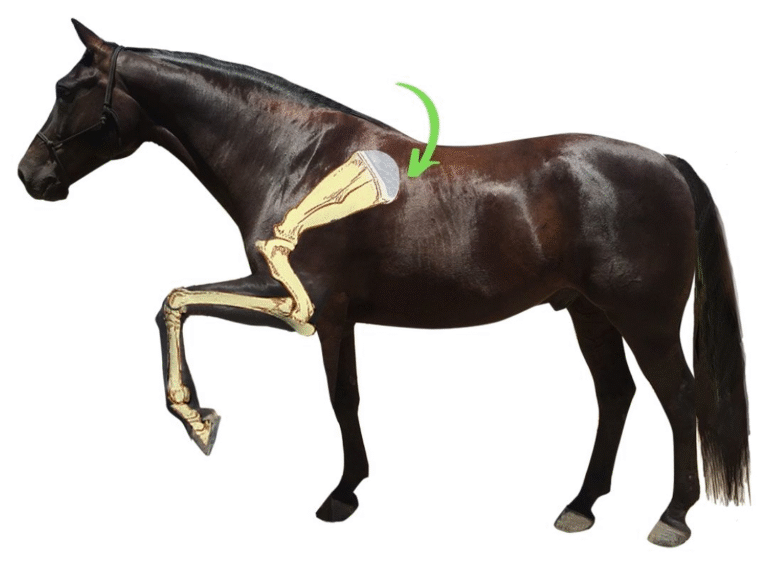
The withers are formed by the spinous processes of the first thoracic vertebrae, primarily the 5th through 9th. This prominence varies in prominence from animal to animal, and it is a particularly sensitive area that also serves as a reference point for the saddle.
The Importance of the Saddle's Shape
The tree is the structural component of the saddle; multi-ply construction using various types of wood, plastic, or composite materials is among the most common technologies used in tree manufacturing. Its design must be tailored to the horse’s anatomy in order to prevent excessive pressure on the back and withers. An ill-fitting tree can cause pain, injury, and reduced performance in the animal.
The consequences of an ill-fitting saddle
A saddle with a tree that is too wide risks coming into contact with the spine, causing injury. Conversely, a saddle with a tree that is too narrow will put pressure on the sides of the withers, leading to skin necrosis and muscle atrophy. It is therefore essential that the saddle be properly fitted to the horse.
Key Takeaways
- The horse's spine is made up of specific segments, each of which serves a particular function.
- The withers, located at the top of the first thoracic vertebrae, is a sensitive area but is essential for proper saddle positioning.
- A saddle with a well-fitting tree helps prevent injuries and provides greater comfort.
In conclusion, a thorough understanding of the animal’s anatomy and the care taken in the design of the saddle is essential to maintaining and improving the animal’s well-being and performance.
The horse, that majestic animal, has a complex anatomy—particularly its spine. Riders and saddle-making professionals must be familiar with the different shapes of the vertebrae and the importance of the withers. These factors are essential to ensuring the animal’s well-being. The shape of the pommel that will form the basis of the saddle is also very important. We hope this article provides you with a comprehensive overview of the factors to consider, whether you are a rider or a saddle-making professional.