
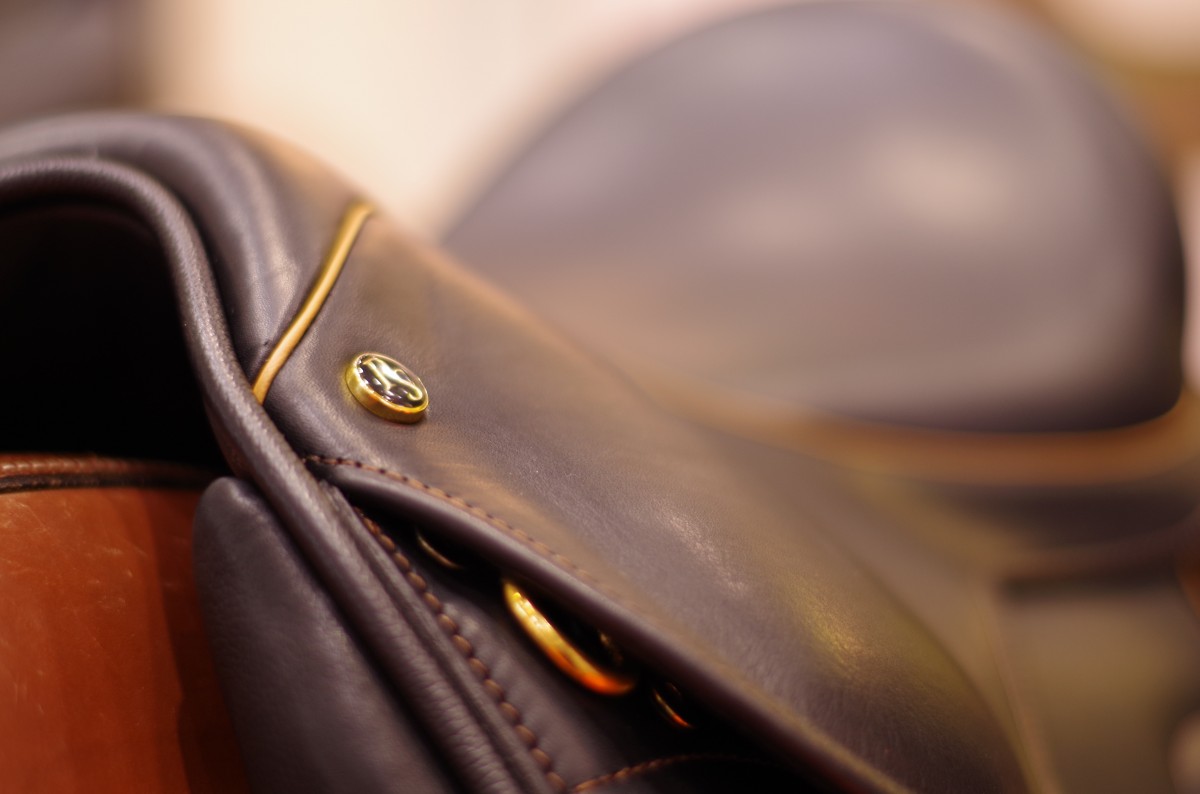
Description of the different parts of the saddle and tree. What's it for ?
The saddle is an essential piece of riding equipment. It ensures the rider’s comfort and protects the horse’s back. At the heart of the saddle lies a fundamental component: the tree. This article describes the different parts of the saddle and the tree, as well as their functions.
What is a saddle tree, and why is it important?
The tree is the internal structure of the saddle: one might say it is the “skeleton of the saddle”; in this sense, it determines the saddle’s overall shape and sturdiness. Traditionally made of wood, it is now just as often crafted from composite materials to optimize lightness and strength. A high-quality tree must ensure a balanced distribution of weight between the rider and the horse to prevent injuries and maximize the well-being of both rider and horse.
What are the main parts of a saddle?
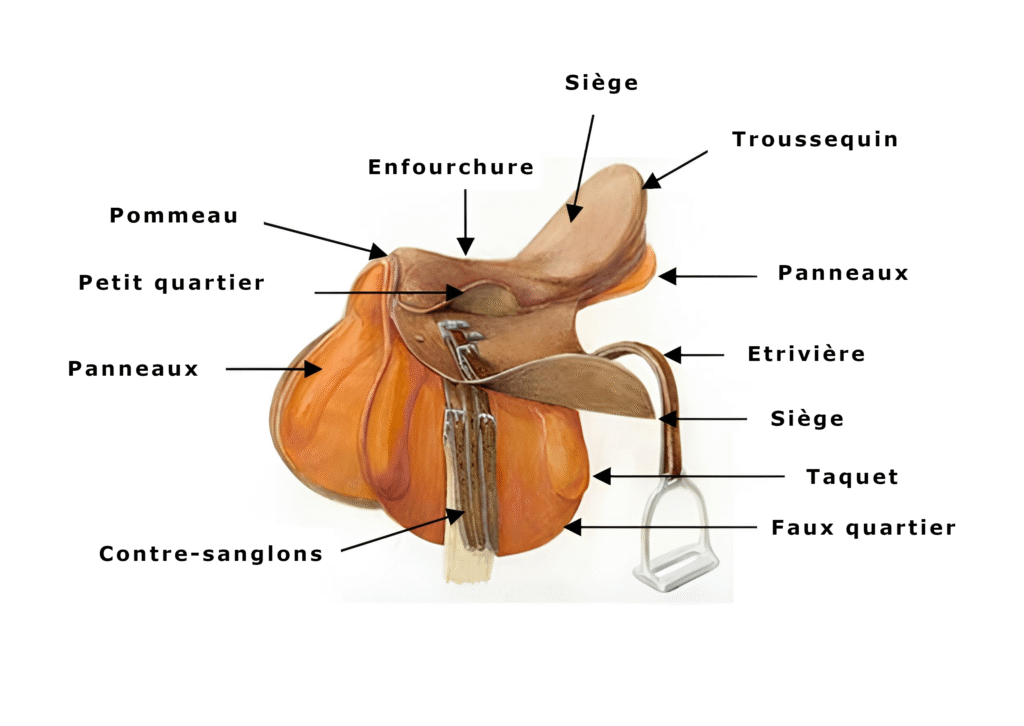
A saddle consists of several parts, each with a specific function:
- The saddle: The part on which the rider sits; it must be tailored to the rider’s body type so that they are comfortably positioned
- The pommel: The front part of the saddle, located above the horse's withers, which protects this sensitive area and ensures the saddle sits properly.
- The pommel: the rear part of the saddle that the rider leans against for support and stability
- Chaps: Wide leather panels that protect the rider's legs from the girth buckles and other friction.
- Stirrup leathers and stirrups: Stirrup leathers are straps made of leather or synthetic material from which the stirrups hang, allowing the rider to place their feet in them and maintain balance.
- Girth straps: Straps located under the flaps that help keep the girth securing the saddle in place on the horse's back.
- Stirrup leathers: Small, semi-rigid pieces attached to the stirrup leathers or stirrup straps to help position the rider's legs.
How does each part of the saddle contribute to comfort and performance?
Every part of the saddle has a specific function:
- The seat: A good seat allows the rider to sit comfortably, which promotes proper posture and enables the rider to communicate effectively with the horse.
- The pommel: It keeps the horse’s withers clear, preventing unnecessary pressure and injuries. A saddle that is properly fitted at the withers contributes to the animal’s good health.
- The saddle pad: It supports the rider's pelvis, helping to maintain a stable and flexible position, especially during jumps and sudden movements.
- Chaps: They protect the rider's legs from rubbing against the girth and the horse's flank, making the ride more comfortable.
- Stirrup leathers and stirrups: They provide support for the feet, helping the rider maintain balance and transmit aids to the horse.
- Girth straps: They ensure that the saddle stays securely in place, preventing any slipping that could be uncomfortable for the horse or rider.
- Stirrup bars: They help the rider position their leg correctly, thereby improving the safety and effectiveness of the aids.
Why is the quality of the saddle crucial?
A poor-quality or ill-fitting saddle can have serious consequences:
- For the horse: Uneven pressure points can cause pain, injuries, or lead to defensive behaviors. An ill-fitting saddle can also restrict the horse’s natural movements, thereby affecting its performance.
- For the rider: An unstable or uncomfortable seat makes mounting difficult and affects balance and safety. Furthermore, an incorrect posture, combined with an ill-fitting saddle, can lead to pain or injury over time.
Discover our full range of custom-made saddle pads.
How do you choose a saddle that’s right for your horse and your discipline?
It is essential to choose your saddle carefully:
- Adjusting the saddle to the horse's body type: Every horse is unique, and it is important to choose a saddle based on the specific characteristics of its back, withers, and shoulders.
- Consider the discipline you practice: Saddles vary depending onthe discipline (dressage, show jumping, trail riding, etc.). Since each discipline has its own specific requirements, it is important to choose a saddle that is suited to your needs to optimize performance and comfort.
- Trying on the saddle: Before making a purchase, it is essential to try the saddle on the horse with the rider to ensure a proper fit and comfort for both.
- Consult a professional: It may be a good idea to consult a saddle fitter or a professional saddler. These experts can advise you on saddle selection, make adjustments, or offer custom solutions.
What materials are used to make the saddle tree and the saddle?
The materials used in the saddle affect its durability, weight, and comfort:
- Saddle tree: Traditionally made of wood, saddle trees are now often crafted from composite materials such as fiberglass, carbon fiber, or polyurethane (explore our range of polyurethane saddle trees). These modern materials offer lightness and durability, while providing enough flexibility to adapt to the horse’s movements.
- Saddle cover: Leather remains the material of choice due to its durability, aesthetic appeal, and comfort. However, synthetic materials are also used; while they are lighter and often more affordable, they are typically much less durable.
How can you maintain your saddle and ensure it lasts a long time?
Regular maintenance is essential to preserve the saddle's quality:
- Cleaning: After each use, wipe down the saddle to remove sweat and dust. A more thorough cleaning using products suitable for leather or synthetic materials should be performed regularly.
- Leather Care: Leather requires regular moisturizing to maintain its suppleness and prevent cracking. A specialized balm or oil is recommended.
- Storage: The saddle should be stored in a dry place, protected from moisture and temperature fluctuations. Special care should be taken regarding where it is placed: it must rest on a suitable support to prevent warping.